

Why Timely Roof Repairs Protect Your Home and Save You Money
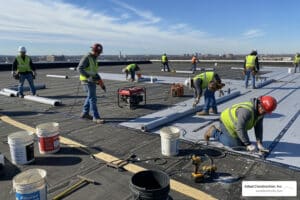
Prompt repair of roofing issues is one of the most critical responsibilities of home ownership. Addressing roof damage early, whether it’s a few missing shingles or a small water stain, prevents minor problems from escalating into major, expensive headaches. For homeowners seeking reliable solutions, our Downers Grove roofing contractor team delivers expert service backed by decades of experience.
Quick Answer: When Should You Repair Your Roof?
You need roof repair when you notice:
- Water stains on ceilings or walls
- Missing, cracked, or curled shingles
- Shingle granules collecting in gutters
- Damaged flashing around chimneys or vents
- Sagging areas on your roof deck
- Visible holes or punctures in roofing material
Minor repairs, like replacing a few shingles, typically cost $150–$1,000. Major repairs, such as fixing structural damage, can range from $2,001–$8,000. The average homeowner spends about $1,147 on roof repairs.
According to the National Roofing Contractors Association, regular maintenance is the single most important factor (after proper installation) for determining a roof’s lifespan. Catching problems early can extend your roof’s life by years and prevent water damage to your home’s interior and structure.
I’m Gerald Michaels, founder of Adept Construction, Inc. Since 1997, my team has helped homeowners across Chicago’s west suburbs with expert repair of roofing services. We specialize in residential and commercial roofing, building our reputation on quality workmanship that lasts.
Identifying Common Roof Problems: Signs You Need a Repair
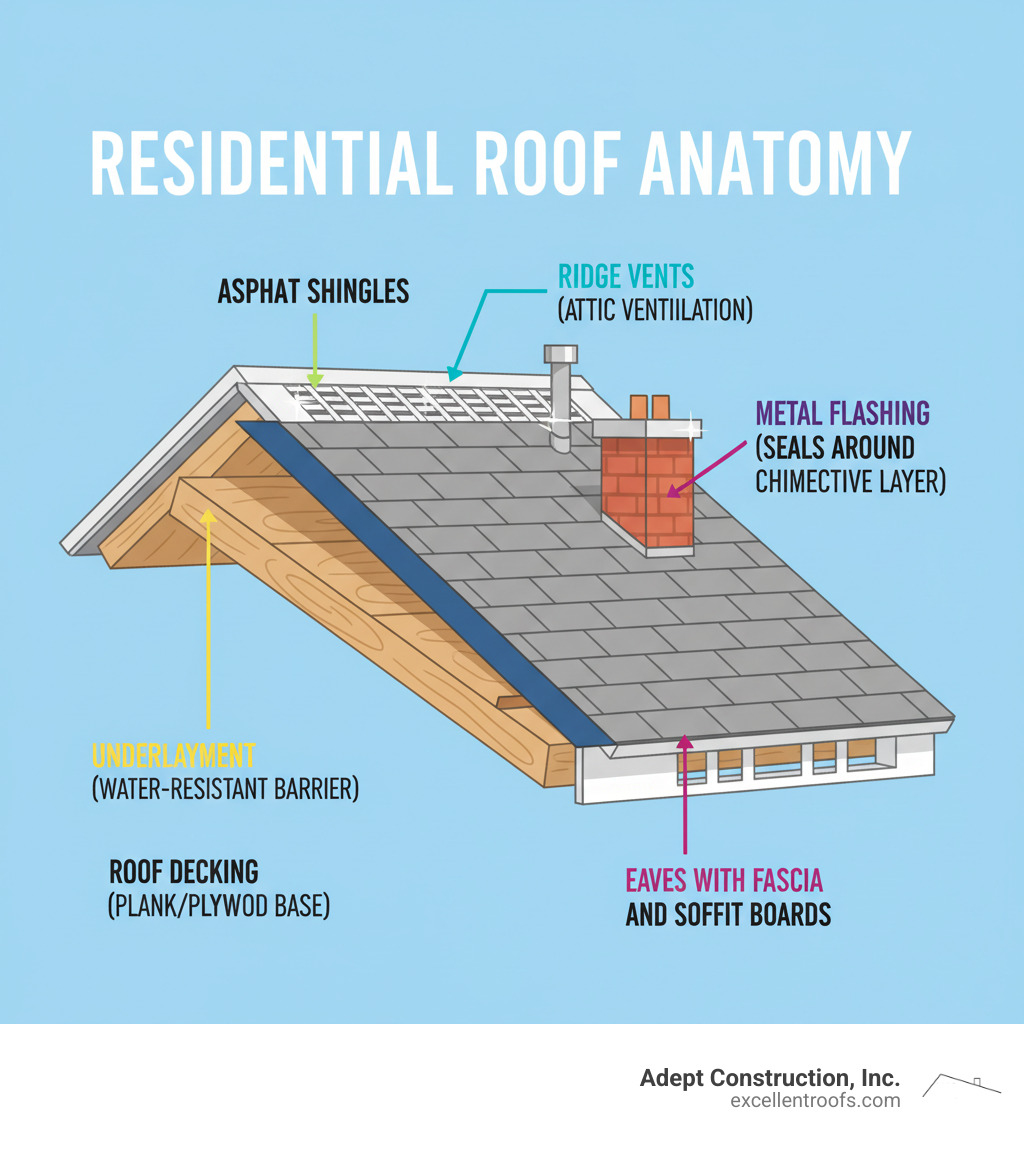
Your roof is your home’s first line of defense, but even the best-built roof requires attention. Most major roof problems start small, and early detection can save you thousands of dollars. Here are the key warning signs that you need a roof repair:
- Water Stains: Brownish or yellowish marks on ceilings or walls are a clear sign of a leak. Water can travel along rafters, so the stain may appear far from the actual leak source. Never ignore a water stain.
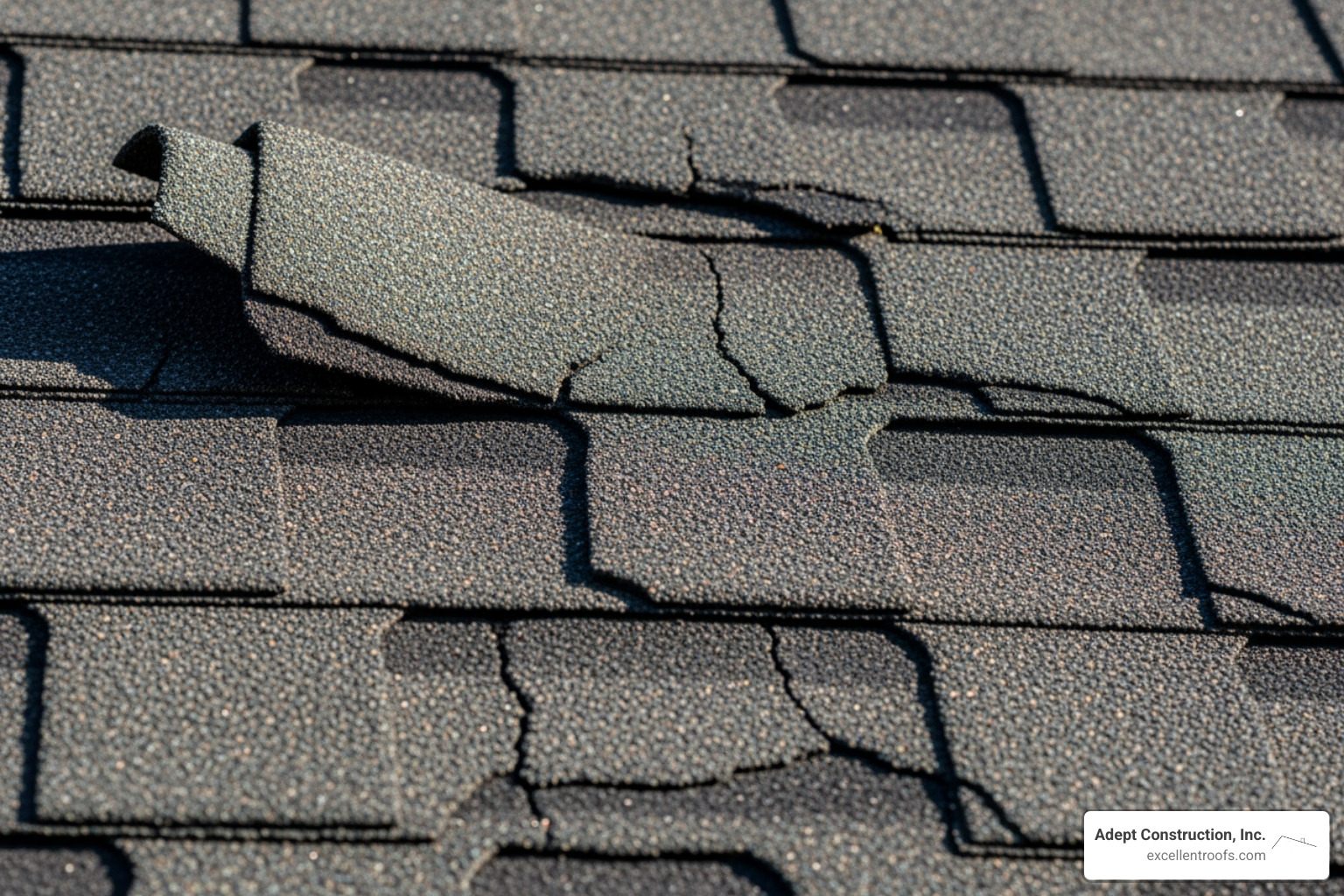
- Damaged or Missing Shingles: Shingles that are cracked, curled, buckled, or gone leave your home vulnerable. Sun, temperature swings, and age cause shingles to deteriorate over time.
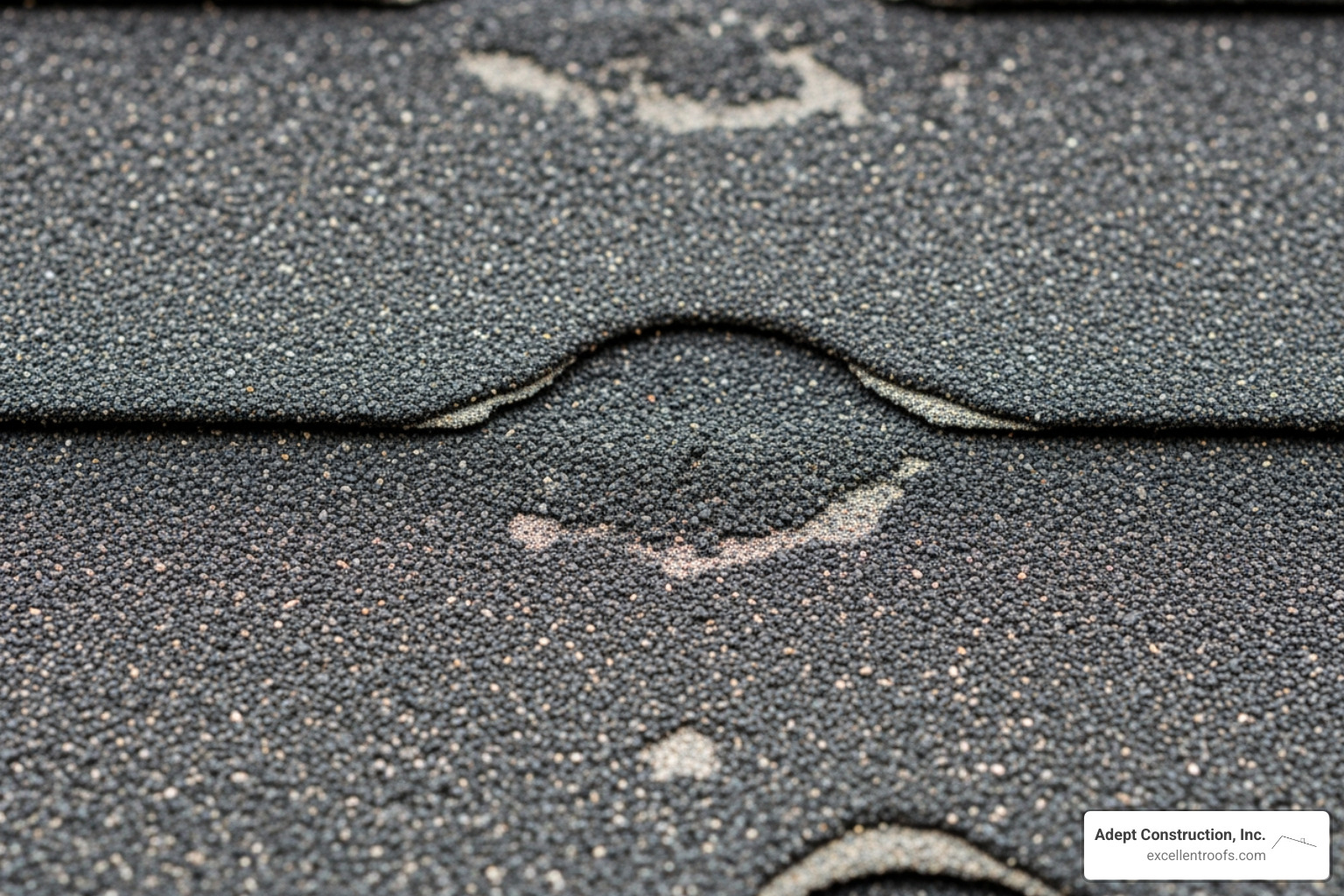
- Shingle Granules in Gutters: While small amounts are normal, large accumulations of these sand-like particles indicate your shingles are losing their protective layer and nearing the end of their life.
- Sagging Roof Deck: A dip or sag in your roofline is a serious structural issue, often caused by moisture-damaged decking or weakened rafters. This requires immediate professional attention and can cost $1,500 to $7,000 to repair.
- Visible Punctures or Holes: Fallen branches, hail, or improper installation can create openings. Even a small hole can let in significant amounts of water. Patching a hole typically costs $100 to $1,000.
- Damaged Flashing: Flashing seals the gaps where your roof meets chimneys, vents, and skylights. Bent, rusted, or improperly installed flashing is a very common source of leaks. A typical flashing repair costs $200 to $500.
- Moss or Algae Growth: Dark streaks or green patches trap moisture against your shingles, accelerating deterioration and potentially hiding other issues.
For a complete breakdown, our guide on 6 Signs You May Have a Leak in Your Roof offers more detail.
Telltale Signs of a Small Roof Leak
Not all leaks are obvious. Look for these subtle clues:
- Musty Odors: A damp, earthy smell in your attic often indicates a slow leak, even without visible water.
- Water Spots Near Vents: Check for dampness or water rings around plumbing vents, exhaust fans, and other roof penetrations.
- Peeling Paint: Paint that bubbles or peels on walls or ceilings can be caused by moisture trapped behind it from a leak above.
- Visible Daylight: In your attic, if you can see daylight through the roof boards, water can get in.
Our article on a Small Roof Leak provides solutions for these issues.
Damage from Storms and Weather
Chicago’s weather is tough on roofs. After a storm, check for these issues:
- High Winds: Strong gusts can lift and remove shingles, exposing the underlayment. Look for missing shingles on the roof and in your yard.
- Hail Damage: Hail can bruise, crack, or puncture roofing materials. While not always visible from the ground, it compromises the roof’s integrity. Professional hail damage repairs typically cost $700 to $4,000.
- Ice Dams: In winter, melting snow can refreeze at the eaves, creating a dam. This forces water back up under your shingles and into your home. Proper insulation and ventilation can help prevent ice dams.
- Sun Damage: Constant UV exposure makes asphalt shingles brittle and accelerates aging.
After any severe weather, inspect your roof. Our guide on Top Signs Your Roof Needs Immediate Repair After a Storm provides a helpful checklist. For an expert assessment after a storm, contact us for a free estimate.
The Essential Toolkit and Safety First: DIY vs. Professional Repair
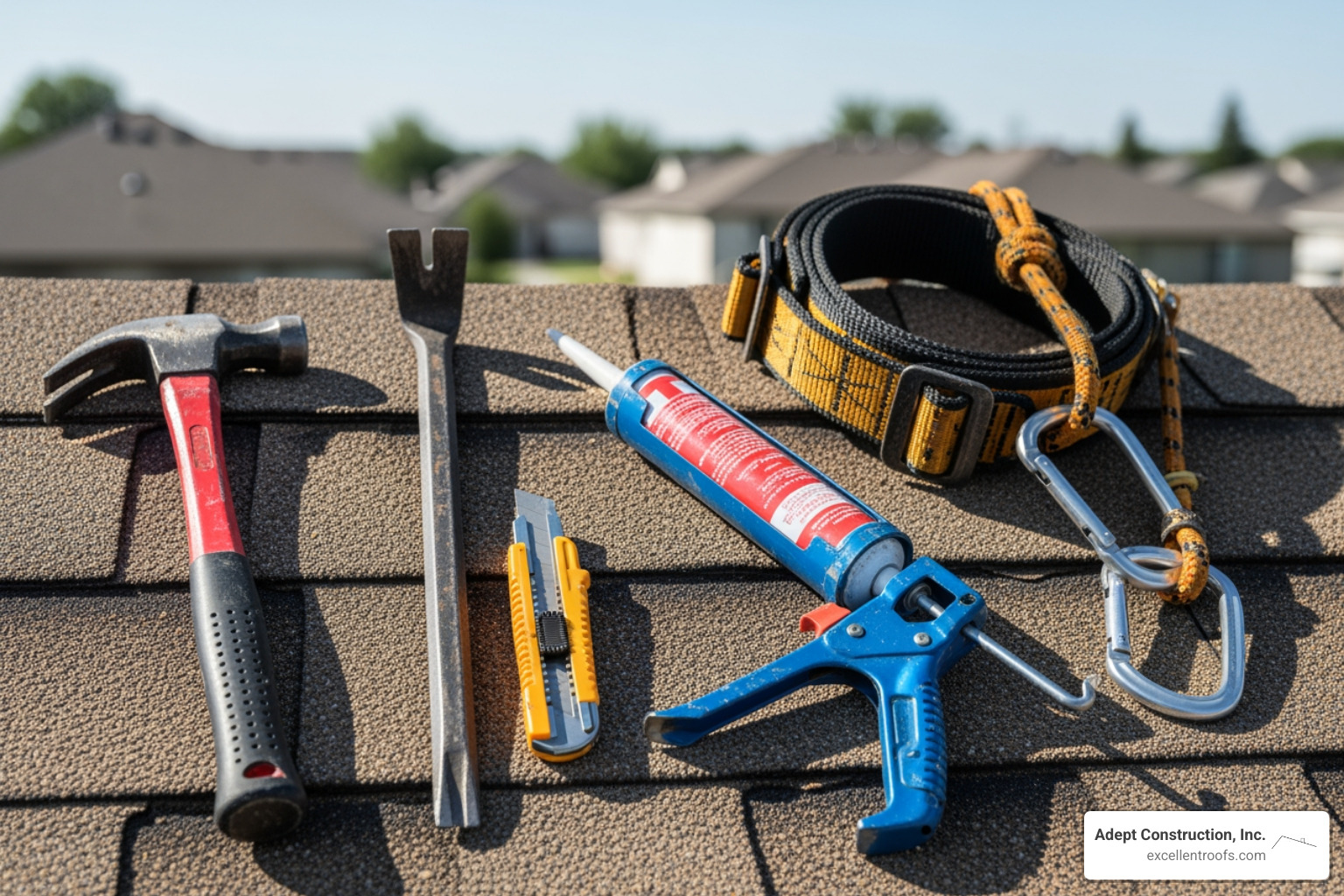
Before attempting any roof work, prioritize safety. Working on a roof is inherently dangerous, and falls from height are a serious risk. Unless you are an experienced and licensed contractor, you may lack the knowledge of proper fall protection, navigating different roof pitches, or spotting structural weaknesses. For this reason, we advise homeowners to read our article on Why DIY Roofing Is a Bad Idea before starting a project.
If you decide to perform a minor inspection or repair, you must follow these safety protocols:
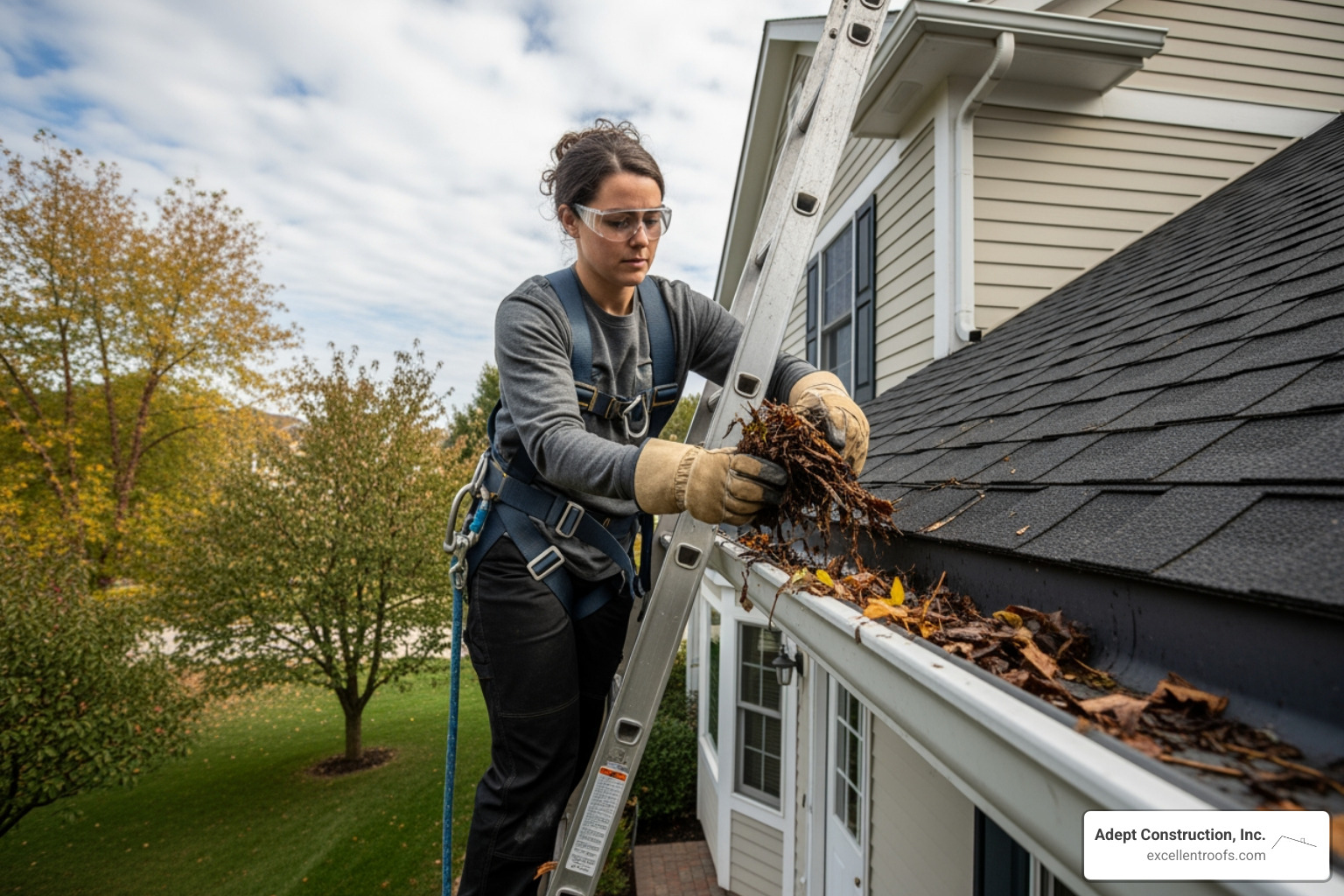
- Ladder Safety: Ensure your ladder is on level ground and extends three feet above the roof edge. Have a spotter hold the base.
- Proper Gear: Wear non-slip footwear, a safety harness secured to a sturdy anchor point, and eye protection.
- Work with a Partner: Never work on a roof alone.
When to Tackle a DIY Repair
Certain minor repairs may be manageable for a handy homeowner, provided the roof has a gentle pitch and is easily accessible:
- Replacing a few shingles that have been lost or damaged.
- Sealing minor, hairline cracks in shingles or around flashing with roofing cement.
- Applying sealant around vents where the old seal has cracked.
- Patching small punctures with roofing cement and a piece of flashing.
For detailed instructions, This Old House offers a great guide on How To Repair and Replace Roof Shingles.
When to Call a Professional Roofer
Most roofing situations require professional expertise. Knowing your limits is crucial for your safety and your home’s protection. Call a professional for:
- Extensive Damage: If more than a small section of your roof is damaged.
- Structural Issues: A sagging roof indicates a problem with the underlying decking or rafters that requires an expert.
- Hard-to-Find Leaks: Professionals use experience and specialized tools to locate leaks that are not obvious.
- Steep Roof Pitch: Working on a steep roof is dangerous and requires special equipment and training.
- Specialized Materials: Repairing materials like metal, slate, or cedar shake requires specific tools and knowledge. You may also wonder, Can a Handyman Repair a Roof? The answer depends on the damage.
- Any Uncertainty: If you are unsure about the scope of work or your ability to do it safely, always call a professional.
Attempting a repair beyond your skill level can cause more damage and void warranties. Our team offers comprehensive residential roofing services in the Chicago suburbs. Contact us for a free estimate and professional guidance.
Step-by-Step Guide to Common Repair of Roofing Projects
Understanding the basics of common repair of roofing projects helps you make informed decisions. Before starting, three preparation steps are critical:
- Damage Assessment: Understand the full scope of the problem. A visible issue might be part of a larger problem. Check the attic for water stains or daylight.
- Material Matching: Use materials that exactly match your existing roof in color, composition, and thickness. A poor match can look bad and fail to seal properly.
- Weather Conditions: Work on a calm, dry day with moderate temperatures (50°F to 85°F). Cold can make shingles brittle, while wind is dangerous.
How to Perform a Minor Repair of Roofing Shingles
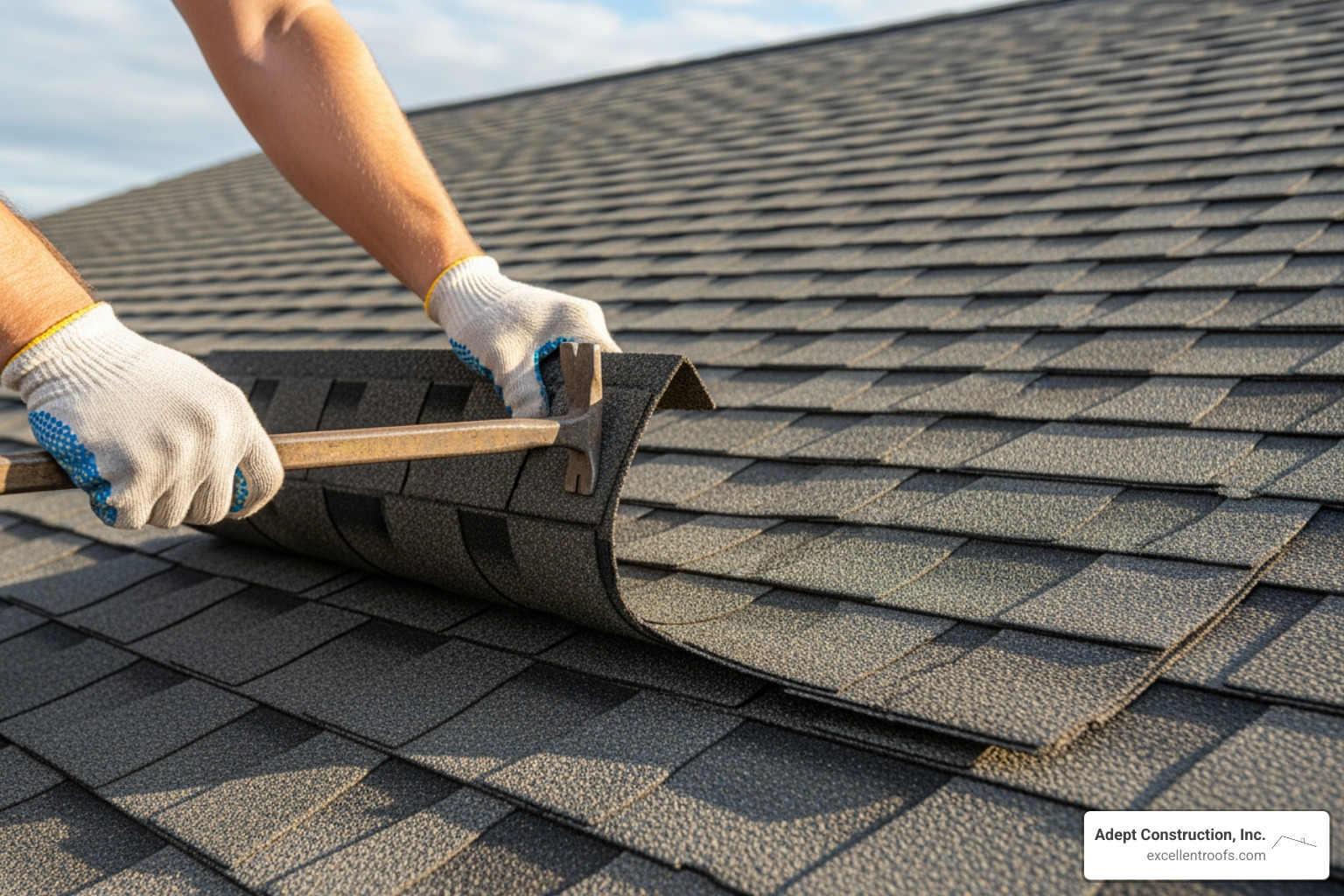
Replacing a damaged asphalt shingle requires proper technique and safety.
- Pry Up Surrounding Shingles: Use a flat pry bar to gently lift the shingles above and to the sides of the damaged one.
- Remove Old Nails: Locate and pull the nails securing the damaged shingle. You may need to cut through old sealant with a utility knife.
- Slide Out Damaged Shingle: Remove the old shingle and clean the area of any debris or old sealant.
- Slide New Shingle into Place: Align the new shingle perfectly with its neighbors.
- Secure with Roofing Nails: Drive galvanized nails through the top portion, ensuring the heads are flush with the shingle surface.
- Seal Everything: Apply roofing cement under the tabs of the new shingle and the edges of the surrounding shingles you lifted. Press down firmly.
For more details, see our guide on how to Repair Leaking Shingle Roof.
How to Fix a Small Roof Leak
Fixing a small leak requires patience and detective work.
- Locate the Leak: Start in the attic with a flashlight. Trace water stains or drips upward to find the entry point. On a dry day, you can have a partner in the attic while you wet sections of the roof with a hose to find the source.
- Clean the Area: Remove all dirt, debris, and old sealant from the damaged area. Let it dry completely.
- Apply Sealant: For small cracks or nail holes, use a putty knife to apply roofing cement generously, extending beyond the damaged area.
- Patch Larger Holes: For larger holes, cut a patch from matching roofing material or flashing. Apply roofing cement to the underside of the patch, press it over the hole, and seal the edges.
- Check for Rot: Gently probe the wood decking and rafters near the leak with a screwdriver. If the wood feels soft or spongy, it’s rotted and needs professional replacement.
WikiHow offers additional visual guidance on 5 Ways to Repair a Leaking Roof – wikiHow.
Repairing Different Roofing Systems
Different roofing materials require specific repair techniques.
- Asphalt Shingles: Repairs involve replacing individual shingles or sealing minor cracks, with a focus on precise material matching.
- Flat Roofs: Repairs typically involve cutting out the damaged membrane section and applying a patch with compatible material and specialized adhesives or heat welding.
- Metal Roofs: Common issues include loose fasteners and compromised seams. Repairs involve replacing screws with new ones that have neoprene washers and using a specialized metal roof sealant.
- Cedar Shakes: Damaged shakes must be carefully split and removed. New shakes are custom-cut and secured with concealed, rust-resistant nails. This repair requires a delicate touch and is best left to professionals.
Understanding Roof Repair Costs and Factors
Understanding the cost of a repair of roofing project is crucial for planning. The national average for roof repairs is $1,147, with a typical range of $392 to $1,913. However, your specific cost will depend on several factors.
Labor accounts for roughly 60% or more of the total bill, covering expertise, insurance, and safety compliance. Permit fees add another $75 to $250, depending on your municipality.
Material type also affects the price. Asphalt shingle repairs average around $875, while metal roofing repairs are closer to $1,600. Specialty materials like slate or tile can cost $1,550 or more to repair. Flat roof repairs are often more affordable, averaging around $400.
For pricing specific to the Chicago suburbs, see our Roof Repair Cost Near Me Guide.
Factors That Influence the Price of a Repair of Roofing
Several key factors determine the final cost of your repair:
- Extent of Damage: Replacing a few shingles is a minor repair, while fixing widespread water damage to the roof deck is a major one.
- Roof Pitch and Accessibility: Steep roofs (a pitch over 8/12) are more dangerous and time-consuming to work on, potentially adding $1,000 to $3,000 to the cost.
- Roofing Material Type: Basic asphalt shingles are easier and cheaper to repair than specialized materials like cedar shake or metal.
- Geographic Location: Permit fees and material availability can vary by municipality.
- Emergency Repairs: Urgent service after a storm or outside business hours often comes at a premium.
If you need a quote for roof repair in Naperville, IL or Downers Grove, we provide free, no-obligation estimates custom to your home.
Cost of Repair vs. Replacement
Deciding between repair and replacement depends on your roof’s age, the extent of the damage, and long-term value.
A full roof replacement is a significant investment, averaging $5,700 to $12,500, with asphalt shingle replacements starting around $7,500.
Consider these factors when making your decision:
- The 30% Rule: If more than 30% of your roof is damaged, replacement is often more cost-effective than extensive repairs.
- Roof Age: Standard asphalt shingle roofs last 15 to 30 years. If your roof is nearing the end of its lifespan, investing in major repairs may not be wise.
- Cost-Benefit Analysis: If the cost of current and anticipated future repairs exceeds 50% of a new roof’s price, replacement is the smarter financial choice. A new roof offers improved energy efficiency, curb appeal, and a comprehensive warranty.
Our article Do You Need Roof Repair or Replacement? can help you weigh the options. Whether you need a roof replacement in Naperville or a targeted repair, we provide honest advice to help you make the best decision.
Proactive Maintenance to Prevent Future Repairs
An ounce of prevention is worth a pound of cure, especially for your roof. Proactive maintenance extends your roof’s lifespan and helps you avoid costly emergency repairs. The National Roofing Contractors Association identifies maintenance as the most critical factor in determining a roof’s longevity after proper installation.
Here is a simple maintenance checklist to protect your investment:
- Remove Roof Debris: Piles of leaves and twigs trap moisture, which accelerates shingle deterioration. Sweep them off with a soft broom.
- Check Flashing and Sealants: Inspect the metal strips and sealant around chimneys, vents, and skylights for cracks or loose seals, as these are common leak points.
- Inspect Ridge Caps and Vents: Look for loose fasteners, cracked caps, or damaged vent housings and reseal where needed.
- Evaluate Attic Ventilation: Confirm that intake and exhaust paths are clear to prevent heat and moisture buildup that shortens roof life.
Even with DIY efforts, professional inspections are invaluable. Our article on The Benefits of Proper Maintenance of Your Roof explores this topic further.
The Role of Professional Roof Inspections
A professional inspection provides a level of detail that a ground-level check cannot. Here’s why they are essential:
- Identify Hidden Issues: A trained eye can spot subtle granule loss, hairline cracks, or compromised flashing that homeowners often miss.
- Assess Structural Integrity: An inspector checks the attic for moisture, evaluates the roof deck and rafters, and assesses ventilation, which is critical to your roof’s lifespan.
- Provide Insurance Documentation: After a storm, a professional inspection report can streamline your insurance claim process.
- Prevent Costly Emergencies: Finding a small problem during a routine inspection can turn a potential $3,000 emergency into a $300 minor repair.
Learn more about What to Expect During a Roof Inspection in our detailed guide.
Long-Term Consequences of Delaying Repairs
Putting off a “small” roof problem is a costly mistake. Minor issues inevitably grow, leading to severe consequences:
- Structural Damage: Water soaks into decking and rafters, causing wood rot. A simple shingle fix can escalate into a $3,000+ structural repair.
- Mold and Mildew Growth: Damp attics are breeding grounds for mold, which harms indoor air quality and requires expensive remediation.
- Reduced Insulation Effectiveness: Wet insulation loses its R-value, forcing your HVAC system to work harder and increasing your utility bills.
- Increased Future Repair Costs: A leak that could have been fixed for a few hundred dollars can quickly lead to thousands in water damage repairs, new insulation, and ceiling restoration.
- Compromised Home Safety: A weakened structure and poor air quality from mold pose genuine health and safety risks to your family.
Addressing problems promptly is always the most cost-effective and safest approach. Whether you need roof repair in Naperville, IL or roof repair in Downers Grove, we are here to help.
Conclusion
Your roof is your home’s most important shield against the elements. As we’ve covered, identifying the warning signs of damage—from water stains to missing shingles—is the first step in protecting your property. Understanding when to tackle a simple DIY fix and when to call a professional is critical for both your safety and your home’s integrity.
Proactive maintenance and timely repairs are not expenses; they are investments in your home’s longevity and safety. Ignoring a small issue today will almost certainly lead to a more expensive and stressful problem tomorrow.
At Adept Construction, we have been providing expert roofing services to homeowners in Downers Grove roofing services and Naperville roofing services since 1997. We pride ourselves on quality workmanship, transparent communication, and honest assessments.
If you are facing a roofing issue, don’t wait for it to get worse. We offer free estimates—contact us today for a no-obligation inspection and expert guidance tailored to your home and budget.